Field Notes: A High-Volume Program, a Fragmented Tech Stack, and the Case for Purpose-Built Technology
Read how a VP of Patient Services took her team from living in spreadsheets to providing proactive, high-touch support.

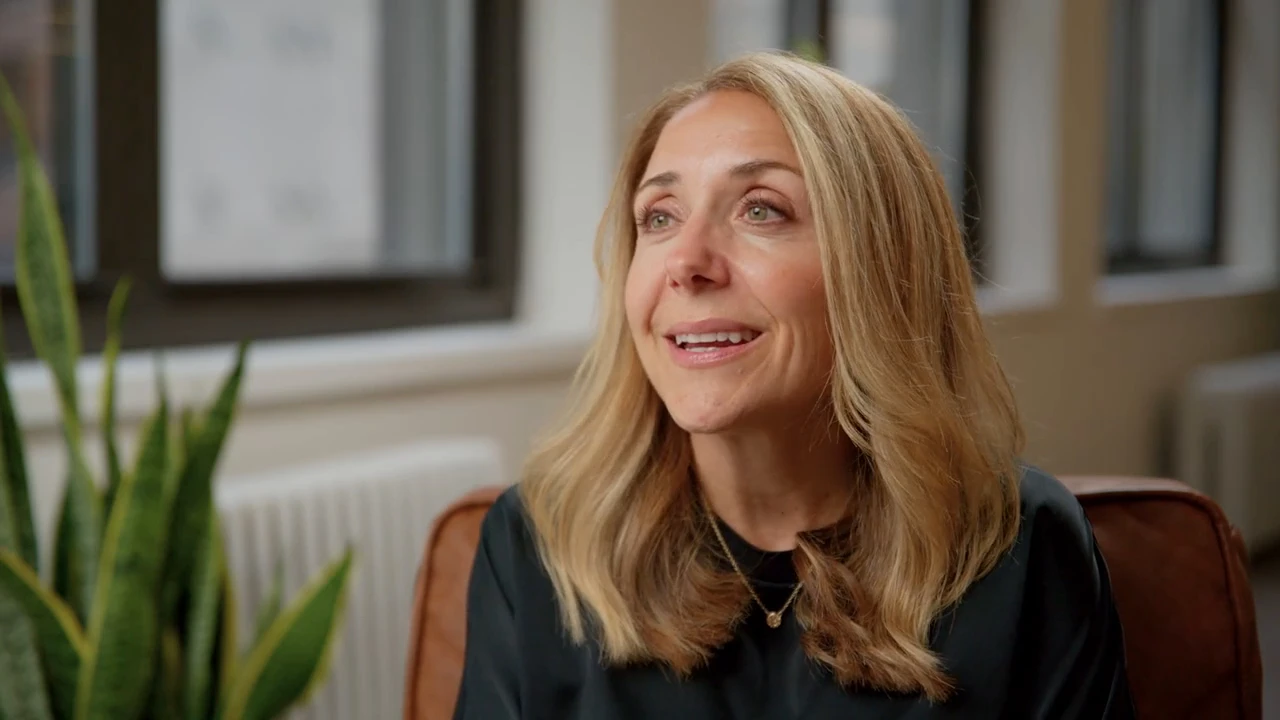
Field Notes is a series of spotlights sharing what's working for FRM and Patient Services teams using Courier Health. Customer details have been anonymized, and in the case of this blog, quotes have been edited for clarity and consistency.
When a specialty program outpaced its tools, a VP of Patient Services knew exactly what was missing...
The Challenge
When Lauren Cole joined a specialty biopharma as VP of Patient Services, patient volume was outpacing the systems and processes the company had in place to support the patient and provider experience.
Her team was responsible for three key areas supporting patients, including HUB operations, where the prescription starts, and access management. Yet, they were left to rely on manual spreadsheets, multiple disconnected data sources, and a reporting environment that made it nearly impossible to see the full picture of the patient journey.
In addition, the patient population skewed older, and adding a new specialty therapy to their often already-demanding regimen made a comprehensive, high-touch patient support model essential.
“Our product had been growing rapidly. And with that, the team needed to expand rapidly. But we did not set ourselves up for success from a tech standpoint. At the beginning, we weren’t relying on a CRM...We were relying on spreadsheets...We were relying on multiple data sources within our reporting tool."
The Solution
Lauren knew something needed to change, and she knew where to look.
As a patient innovator, she’s constantly searching for new ways to make her team more effective. A previous company was leveraging Courier Health to manage their patient journey, and she had seen firsthand how team and program performance improved with the right purpose-built, patient-focused infrastructure.
"It became clear very, very quickly that we needed a single source solution like Courier Health to help us do our jobs better."
Implementation Done Right
Deploying a new technology is a significant operational commitment for any company and industry, but especially for a lean team that is only months post-launch. Courier Health's technology and team is built for situations just like this. From implementation and training through go-live, Courier Health acted as strategic partners and enabled Lauren’s team to regain control and deliver the patient experience they set out to provide.
"I've not seen a level of rigor brought to a tech implementation process as I've seen with Courier Health...," Lauren shared. "From project management, account management, and the product team being incredibly in-tune with what’s going on in patient services, [they] know exactly the right questions to ask to help us meet our objectives."
Courier Health works with patient access programs like Lauren’s every day, and we take great pride in bringing the experience and expertise required to execute a complex implementation quickly.
Change management is never easy, but Lauren knew how important it was to invest in training her team on the new solution and what it would unlock in the long run. Bringing the team together (and out of the field) in the home office for two days to do training "was a big commitment...But we knew how critical it was to get them all in one room to train on Courier Health.”
“I will never forget as my team was going through the system - all the different stages and layers within the system - somebody chimed in and said, ‘Did a FRM design this?’ because they couldn't believe what they were seeing. That set such a positive tone."
Courier Health's Client Solutions team works with clients from the sales process through implementation, hypercare, and steady state, spearheading everything from connecting various data sources to ensuring teams like Lauren’s are equipped to be successful in the platform.
Purpose-Built Results
Courier Health is 100% focused on Field Access and Patient Services, and the system has been designed alongside customers and users to make their day-to-day work more efficient and proactive, supporting more strategic account and patient engagement. Once Lauren and her team went live, she was reminded of this, and what makes Courier Health different:
"It really centers around being purpose-built for our users to do their jobs, and to have better, more seamless and strategic conversations with their customers versus having to try and connect all the dots."
Lauren had come to expect this after working with Courier Health in the past. For her team however, it was a different story. For the first time, they received complete patient journey visibility, workflows, and next best actions tailored to their work, and were able to start delivering the high-touch support the program demanded. The impact was realized quickly:
- Users reporting easy access to a centralized view of accounts and patient cases increased by 73% in 3 months
- The average time to provider welcome call completion dropped from 3 days to approximately 3 hours
Part of her job is to ensure that her team has what they need to be successful. She knew Courier Health could deliver, but hearing just how helpful it was never gets old:
“Every time we introduce a new workflow, it's like they're opening up a new present on Christmas because their day just becomes so much easier. We receive email after email from the team talking about how it's already made a difference in how they're impacting patients’ lives by understanding where they can work with the customer to bring the prescription along."
Lauren attributes this level of impact to Courier Health's event-driven architecture. Since Courier Health is built to support the patient experience, it was developed and shaped around real-world specialty patient journeys and challenges.
In practice, this allows teams to be proactive rather than reactive. When they open Courier Health, they know exactly where to spend their time and how. Teams can center conversations on actually supporting patients rather than searching for the right screen.
"From a tech standpoint, they [Courier Health] are incredibly groundbreaking and forward thinking. The event-driven philosophy that they have as the foundation of their solution is changing the game. If I think about putting patients first, that means that I need to be having effective, efficient conversations with my healthcare providers because they don't have a lot of time, and the user interface and model overall enables our teams to be doing just that."
Ongoing Strategic Partnership
In Lauren's experience, vendors come in two flavors. One says this is how we do it, conform to our process; The other says tell us what you want and we'll build it. Neither, she argues, is a real partnership.
"With Courier Health,... the way they approach the design, development, implementation, and even the ongoing operations is so partner-focused," she added. "They're constantly asking us not only for feedback, but for our objectives and what we're trying to accomplish so that we can do something together."
This strategic partnership doesn’t end after go-live. “Having a company like Courier Health bring process to us...has been a huge help," Lauren shared. "I've not met a better, more talented, more committed, more driven team. They want to understand our objectives, and they want to make sure that what they're building actually helps us and helps our patients.”
The Case for Purpose-Built Technology
When the complexity of the patient journey outpaced Lauren's tools, she turned to a team whose entire focus is solving exactly that problem. For the second time, Courier Health’s expertise and purpose-built technology delivered for Lauren, and helped achieve her primary goal. "I would say the biggest benefit of Courier Health is working for my team so that my team can work for our patients," she concluded.
If you’re looking for what a purpose-built solution can do for you and your team, let’s discuss how Courier Health can help.